
منتدى الفنون و الإبداع
منتدى الفنون والإبداع هو مساحة حرة تُعنى بالجمال، والخيال، وتلاقي المواهب. نحتفي بالفنون والكتابة والحقول الإبداعية عبر ندوات نوعية وورش متخصصة تجمع المبدعين والجمهور في أجواء منتجة . هنا تجد أحدث فعالياتنا، وأنشطتنا القادمة، وصور من لقاءات ماضية صنعت أثرها في المشهد الثقافي. ندعوك لاكتشاف الفعاليات والانضمام لرحلة فنية تُعلي من قيمة الجمال والتواصل.
فعاليات
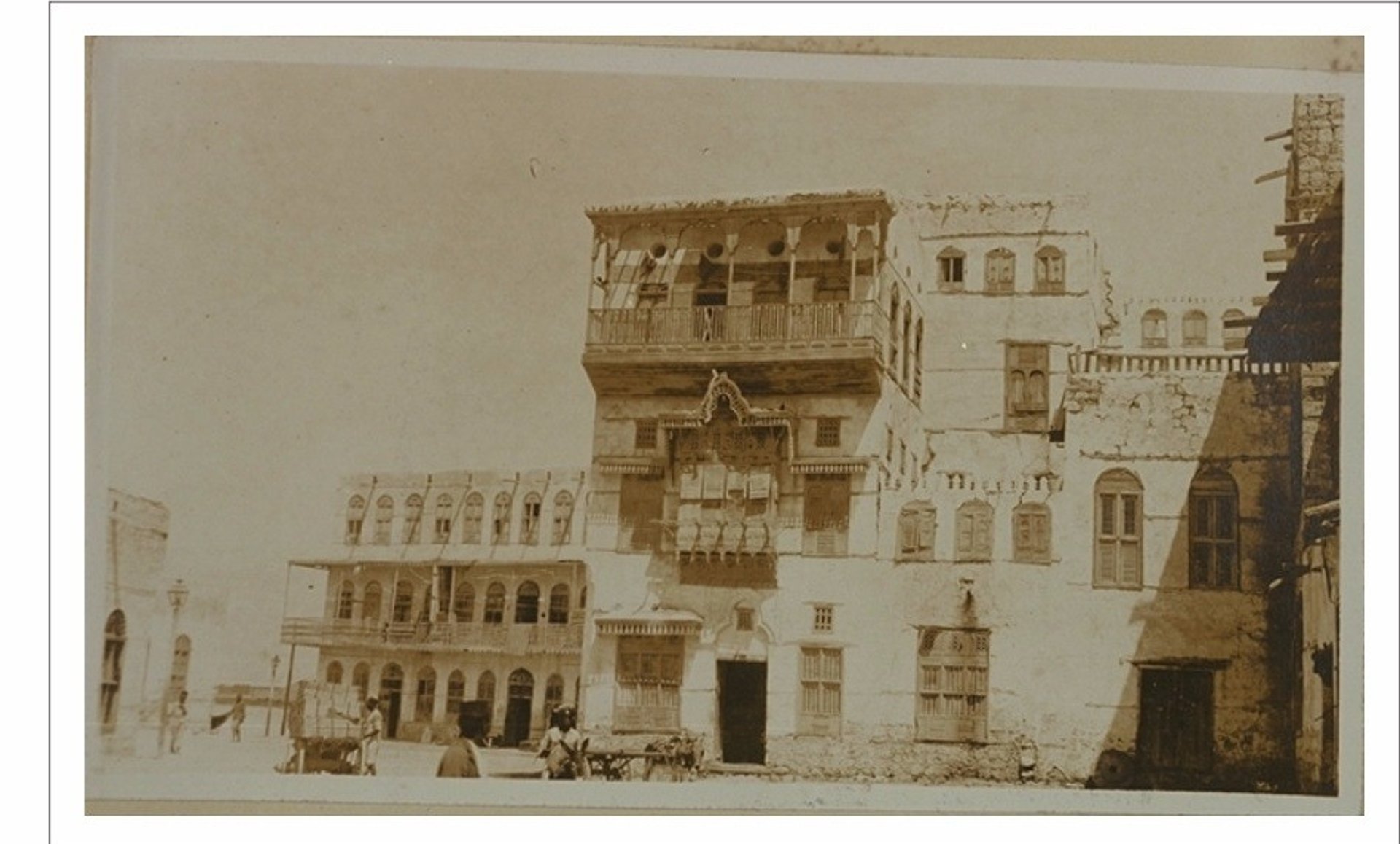
تم بحمد الله تدشين منتدى الفنون والإبداع بمحاضرة البروفسير عبده عثمان دياب بعنوان: مدينة سواكن القديمة النشأة والعمران. أقيمت الفعالية يوم السبت 27 ديسمبر 2025 بقاعة مطعم برندة بالغراند مول عجمان، وسط حضور نوعي من المهتمين بالفنون والتراث والعمارة. افتتحت الجلسة بكلمة اللجنة المنظمة للمنتدى ألقاها الأستاذ عزمي علي، سبقتها فقرة موسيقية مميزة على آلة الترمبيت قدمها الاستاذ سعيد عبدالله سعيد. أدارت الندوة الدكتورة لمياء شمت. شهدت الندوة تفاعلا جميلا من المحاضرين عبر مداخلات أسهمت في تعميق الحوار حول البعد الثقافي والمعماري لمدينة سواكن. شارك في توثيق الفعالية كل من (د. طارق عربي، مهندس عبدالله أسامة و ريتال عزمي)
The Old City of Suakin: Origins and Architecture
The architecture of Suakin stands as a testament to the passage of time, reflecting both its highs and lows. It chronicles the life of the community, capturing periods of prosperity and hardship, while documenting the development of urban planning, engineering knowledge, and diverse artistic practices. Furthermore, it serves as a historical record of political, social, and economic events, with its architecture harmoniously aligned with the society’s traditions, customs, and values.
The city’s buildings also preserved social structures rooted in religious beliefs. Suakin exemplifies a small-scale Turkish-style Islamic city, achieving remarkable significance in construction and urban development. This was made possible by the wealth of its merchant population, the available building techniques and materials, and prevailing local practices. Most homes along the Red Sea coast were constructed with two or three stories.
The development of Suakin Island was guided by the philosophy of Islamic urban planning, characterized by precision, skillful execution, and intricate decorative work, including stone carving. The architecture on the island can be divided into two main groups: the first follows the Turkish style, while the second comprises buildings constructed during the era of Mumtaz Pasha, which display Byzantine and European influences on Egyptian architecture—later reflected in Suakin’s architecture. Despite similarities in their external and internal forms and the shared use of coral stone, the two groups differ in architectural elegance and construction techniques.
The island’s streets are adorned with prominent “rawashin” (projecting windows or balconies) overlooking the streets. Many of these extend from the walls to allow fresh air to circulate indoors while preventing outsiders from seeing inside. These features are also noted for their exquisite carvings and vibrant painted finishes. Buildings were constructed using coral stones, with horizontal wooden spacers known as “taqlilat” placed between the courses. The stones were bound together with lime mortar, the same material used to whiten walls and arches.
Suakin Island is home to two mosques following the Hanafi and Shafi‘i schools, and three other structures: Al-Majidi, Al-Shanawi, and the Mosque and Mausoleum of Taj al-Sir. The decorative elements of both residential and religious buildings in Suakin include carved and inscribed plaster on interiors and exteriors, as seen in minbars, mihrabs, and entrances. Various materials were employed, and diverse artistic styles were applied, ranging from geometric to floral motifs. This resulted in a cohesive yet richly detailed aesthetic, evident in wooden works such as rawashin, doors, arches, and windows, as well as in plaster carvings executed in both geometric and floral designs.
مدينة سواكن القديمة
النشأة والعمران
تعتبر عمارة سواكن شاهد على الزمان بتقلباته وصحواته، وهي الراصد لحركة المجتمع بما حفلت من رخاء وشدة، وهي المُدون لحركة العمران وما يدور فيها من علوم الهندسة وممارسة ضروب الفنون المتنوعة، كما أنها شاهد على التاريخ بما حوى من أحداث سياسية واجتماعية واقتصادية وغيرها، حيث العمارة متوافقة مع متطلبات المجتمع ومتوافقة مع تقاليده وعاداته وقيمه. كما حافظت العمارة كذلك على تلك المرتكزات الاجتماعية التي تقوم على العقيدة.
وتعتبر سواكن نموذج لمدينة إسلامية ذات عمارة تركية صغيرة، بلغت شاناً عظيماً في التعمير والبناء، بما توفر لها من ثراء أهلها التجار، ومن تقنيات ومواد بناء ومزاج عام، فقامت من طابقين أوثلاثة كمعظم منازل ساحل البحر الأحمر.
قام عمران الجزيرة على فلسفة تخطيط المدن الإسلامية، واتصف بالإتقان والمهارة في الأداء وتنفيذ الزخرف، ونحت الحجارة. وهو ينقسم إلى مجموعتين: الأولى على الطراز التركي، وتشمل الثانية كل المباني التي قامت في عهد ممتاز باشا، حيث ظهر عليها أنماط المؤثرات البيزنطية والأوروبية في العمارة المصرية، والتي تاثرت بها عمارة سواكن في فترة لاحقة. ومع التشابه في شكلها الخارجي والداخلي، واشتراكهما في استخدام حجر المرجان، إلا انهما تختلفان في الجمال المعماري والأساليب الانشائية.
كما تتحلى شوارع الجزيرة "بالرواشن" البارزة (المشربيات)، أو الشُرفات مطلة على الشوارع، ويتميز الكثير منها ببروزه من الجدران لجذب الهواء المنعش الى الداخل، وحجب الرؤية من الداخل. كما تتميز كذلك بنحتها المتقن وبطلائها الملوان الجاذب، حيث يتم بناء بالحجارة المرجانية، وتوضع بينها فواصل أفقية خشبية بين المداميك تسمى "التقليلات" من خشب القندال. ويلي ذلك عملية ربط الصخور بالمونة الجيرية، وهي ذاتها التي تستخدم في بياض الجدران والأقواس.
وبالجزيرة مسجدان هما الحنفي والشافعي، وثلاثة بالقيف هي المجيدي والشناوي ومسجد وضريح تاج السر. وتتنوع زخارف المباني السـكنية والدينية في سـواكن من نحت ونقش للبياض من الداخل والخارج، كما في المنبر والمحـــراب والمداخل. واستخدم فيها العديد من المواد واتبعت فيها أساليب فنية مختلفة من زخارف هندسية ونباتية، فجاءت متجانسة ومتنوعة وغنية بالتفاصيل، سواء في أعمال الخشب من رواشن وأبواب وأقواس وشبابيك، أو في مجال أعمال النقش بالجير بأسلوبيها الهندسي والنباتي.
بروفسير عبده عثمان ديـاب
· تخرج في كلية الفنون الجميلة والتطبيقية عام 1969 - بكالوريوس – نحت
· قام بدراسات متقدمة في النحت – إنجلترا(1983- 77)
· دكتوراة في الآثار- عن مدينة سواكن القديمة - جامعة الخرطوم
· متزوج وأب لأربعة أبنـــاء
· عضو لجنة تجميل العاصمة القومية الخرطوم
· رئيس قسم النحت بكلية الفنون ورئيس لجنة التدريب بجامعة السودان للعلوم والتكنلوجيا سابقا
· عضو لجنة الثقافة باللجنة الوطنية لليونسكو- وخبير الصناعات الثقافية
· رئيس الاتحاد العام الفنانين التشكيليين السودانيين 2004- 2006
· عضو اللجنة الوطنية للمجلس الدولي للأثار والمواقع الاثرية (ICOMOS)
· ضمن خبراء مكتب اليونسكو بالخرطوم
· عضو مؤسس للاتحاد العربي المتخصص للعلاج بالفن
· محكم دولي لمنظمة إيريسكا (تركيا) في ملتقيات فنون الحرف اليدوية في العالم الاسلامي
· شارك في العديد من سمبوزيوم النحاتين العالمية
· عميد كلية الوسائط المتعددة بجامعة "قاردن سيتي – الخرطوم
· عميد كلية التصميم الداخلي بجامعة الخرطوم التطبيقية.
· شارك في العديد من المعـــارض، السمِنارات، الندوات، والمؤتمرات داخليا وخارجيا
· قاد مجموعة من النحاتين لتجميل مدينة الأبيض - بتكليف من حكومة ولاية كردفان.
· عضو لجنة حماية التراث الثقافي السوداني المتأثر بالحرب بمكتب اليونسكو بالخرطوم
· ناشط في الثقافة، التراث، الموسيقي وتدريب الحرف
· عضو اللجنة الاستشارية للتوجيه التنفيذي لاطار عمل اليونسكو لانفاذ التعليم الثقافي والفني
· مؤلف كتاب ( موسيقى اللون) اسلوب عالمي جديد لتاليف الموسيقى عن طريق اللون ( له براءة).
· له براءة في تنقية مياه الشرب عن طريق الزير التقليدي
· له براءة مع زميل في الجامعة في مكننة طق الصمغ العربي
· يعمل بدرجة بروفسير بكلية الفنون الجميلة والتطبيقية - جامعة السودان للعلوم والتكنولوجيا وبعض الجامعات والمؤسسات السودانية.
Coming Soon
- السبت 31 يناير 2026، الساعة الثامنة مساء
- مطعم برندة غراند مول عجمان
- الاقتصاد البرتقالي: مبادئ و آليات عمل
- يقدمها الدكتور عمر سيد أحمد
سـيـرة ذاتـيّـة مختصرة
الاسم: محمّد عبد الرحمن حسن.
المؤهِّلات العلميّة
1- دكتوراه اللسانيات (جامعة إفريقيا العالمية: 2012).
2- ماجستير اللسانيات (مركز البحوث الإفريقية، جامعة إفريقيا العالميّة: 2006).
3- بكالريوس اللسانيات وعلم النفس (كلية الآداب، جامعة الخرطوم: 1997).
4- بكالريوس التصميم الإيضاحي (كلية الفنون الجميلة والتطبيقية، جامعة السودان للعلوم والتكنولوجيا: 1985).
المسار المهني (الوظائف)
1- محاضِر بجامعة إفريقيا العالميّة (2006-2012).
2- أستاذ مساعد مادة اللسانيات - جامعة إفريقيا العالمية (2012-2015).
3- استاذ مشارك (النقد الفني والعلوم الإنسانية) بكلية الفنون الجميلة والتصميم - جامعة النيلين.
مجالات الاهتمام البحثي الأساسي: النقد الفني، الدراسات الثقافية، ونقد الخطاب التاريخي.
كتب منشورة
1- نقد فكر الجنوب العالمي: مقدّمة للانتقال من نقد الحداثة إلى نقدالحضارة.
2- ذاتيّات: فضُّ نظرة الفلسفة الأوروبيّة للإنسان والمجتمع.
3- فتوحات: فضّ وهم التفوّق الأوروبّي.
4- ثورات: فضّ الخطاب التاريخيّ الأوروبيّ.
5- اكتشافات: فضُّ خطاب النهضة واكتشاف العالم .
6- الفنون التشكيليّة وتحديث المجتمعات العربيّة.
7- فضاءات التعدُّد والاختلاف في النقد التشكيلي العربي.
تم بحمد الله تقديم الندوة الثانية لمنتدى الفنون والإبداع قدمها الدكتور محمد عبدالرحمن حسن بعنوان: الدارجة السودانية وعلاقتها باللغة العربية واللغات الافريقية. أقيمت الفعالية يوم السبت 17 يناير 2026 بقاعة مطعم برندة بالغراند مول عجمان، وسط حضور نوعي من المهتمين باللغات. أدارت الندوة الدكتورة لمياء شمت. شهدت الندوة تفاعلا جميلا من المحاضرين عبر مداخلات أسهمت في تعميق الحوار حول الموضوع. شارك في توثيق الفعالية كل من (د. طارق عربي، مهندس عبدالله أسامة و ريتال عزمي)
الدارجة السودانيَّة وعلاقتها باللغة العربيَّة واللغات الإفريقيَّة
محمد عبد الرحمن حسن
المقصود بالدارجة السودانيّة هنا اللهجة العربيَّة العاميَّة السائدة في وسط السودان، وتحديداً حول الخرطوم الكبرى. وتوجد بالسودات عدّة عاميَّات عربيّة، إلّا أنّ عامِّية الوسط توسَّع نطاق استخدامها لارتباطها بالمركز السياسي والإداري للدولة. ومن العوامل التي ساعدت على نشرها: الإعلام الرسمي، وتمركُز التعليم العالي في الوسط لفترة طويلة، وارتباط اقتصاد الأقاليم بالعاصمة. وتُعتبَر مدارس وأسواق الأقاليم من الأماكن التي توجد فيها عاميَّة وسط السودان.
بما أنَّ هذه العاميّة لهجة عربيّة، فالشيء الطبيعي أن تكون لديها ارتباطات مع اللهجات العربيّة القديمة التي جاءت من الجزيرة العربيّة. وبما أنّ كلمات اللهجات العربيّة التي شكَّلت قاموس عاميّة وسط السودان قد دُرِست باستفاضة، خاصّةً من جانب المرحوم عون الشريف قاسم، فإنّ هذه المحاضرة تركِّز على جانبي التراكيب والأصوت لأنهما يوضحان علاقتها باللغات الإفريقية التي تحيط بهذه اللهجة. ومن مميزات عربية السودان أنها توجد في الوسط القطر، بعيداً عن البلاد العربية المجاورة، ففي الشمال توجد اللغات النوبيّة التي تفصل عربيّة السودان عن لهجات صعيد مصر، وفي الشرق توجد لغات البجا التي تفصل عربيّة السودان عن شبه الجزيرة العربية. ولهذا السبب تاثرت عاميّة وسط السودان كثيراً بأصوات اللغات النوبية، ومن الأصوات غير العربيّة في عاميّة وسط السودان: تش (Ch)، و ني (ny)، ونق (ng). وتوجد فيها صيغتان من صوت اللام، واحدة مخفّفة وأخرى مفخّمة، وكذلك صوت الراء ويؤدِّي فيها النبر دوراً وظيفياً، بمعنى أنه يغيِّر معنى الكلمة، وهي ظاهرة غير موجودة في أي لهجة عربية أخرى. وأيضاً يؤدِّي النبر دوراَ نحوياً في التراكيب. وهذه خصائص مأخوذة من اللغات السودانيّة الإفريقيّة التي تحيط بالعربيّة؛ خاصة اللغات النوبيّة والبجاويّة والفوراويّة.
Sudanese Colloquial Arabic and Its Relationship with the Arabic Language and African Languages
Dr. Mohamed A. Hassan
translated by dr. Lemmia Shamat
What is meant here by Sudanese Arabic dialect (Darja) is the colloquial Arabic dialect prevalent in central Sudan, specifically around Greater Khartoum. Sudan has several Arabic dialects, but the central dialect has expanded its usage due to its connection with the political and administrative center of the country. Factors that helped spread it include official media, the concentration of higher education in the center for a long time, and the economic ties of the regions to the capital. Regional schools and markets are among the places where the central Sudanese dialect is spoken.
Since this dialect is a form of Arabic, it naturally has links to the ancient Arabic dialects that originated from the Arabian Peninsula. Given that the vocabulary of the Arabic dialects that formed the lexicon of central Sudanese colloquial Arabic has been extensively studied, especially by the late Awn al-Sharif Qasim, this lecture focuses on the aspects of syntax and phonetics because they clarify its relationship with the African languages surrounding this dialect.
One of the features of Sudanese Arabic is that it exists in the middle of the country, away from neighboring Arab countries. To the north are the Nubian languages, which separate Sudanese Arabic from the Upper Egyptian dialects, and to the east are the Beja languages, which separate Sudanese Arabic from the Arabian Peninsula. For this reason, the central Sudanese dialect has been greatly influenced by the sounds of the Nubian languages. Among the non-Arabic sounds in central Sudanese colloquial Arabic are: "ch" (تش), "ny" (ني), and "ng (نق)
It also has two forms of the "lam" sound: one light and one emphatic, as well as the "ra" sound. Stress plays a functional role in this dialect, meaning it changes the meaning of words—a phenomenon not found in any other Arabic dialect. Stress also has a grammatical function in sentence structures. These characteristics are borrowed from the Sudanese African languages surrounding Arabic, especially the Nubian, Beja, and Fur languages.
سيرة ذاتية مختصرة
عمر سيد أحمد تنفيذي مصرفي مخضرم يتمتع بخبرة مصرفية وقيادية تمتد لأكثر من 30 عامًا في مؤسسات مالية رائدة في المنطقة.
تولى خلال مسيرته المهنية إدارة ثلاثة مصارف كبرى في السودان بصفته مديرًا إقليميًا ومديرًا عامًا (CEO / GM)، من بينها بنك أبوظبي الوطني (الإمارات)، والبنك الأهلي المصري، وبنك تنمية الصادرات السوداني
يملك سجلًا مهنيًا حافلًا في إدارة العمليات المصرفية، والتمويل المؤسسي، والتجزئة المصرفية، والتمويل التجاري، والتجارة الخارجية، والصيرفة الإسلامية، مع خبرة عملية عميقة في بيئات معقدة وعالية المخاطر.
قاد بنجاح تأسيس وإعادة هيكلة وتحويل مؤسسات مصرفية، وحقق نموًا مستدامًا واستقرارًا تشغيليًا في أسواق صعبة، ويتميز بقدرات قوية في التفاوض، والتخطيط الاستراتيجي، وإدارة المخاطر.
يحمل بكالوريوس محاسبة وتمويل، إلى جانب دبلوم عالٍ في التمويل والمصارف.
يعمل حاليًا كمستشار خبير مستقل في مجالات البنوك والتمويل، ويقدم خدمات الفحص النافي للجهالة، وإعداد الدراسات المالية والاستشارات المتعلقة بـ إصلاح القطاع المصرفي، ومخاطر الائتمان، وإعادة الهيكلة المؤسسية والمالية.
تواصل معنا بسهولة
شاركنا أفكارك أو استفساراتك، نحن هنا للاستماع
تواصل
لأي استفسار، نحن هنا لمساعدتك دائماً
البريد
واتس اب- هاتف
info@funoonibda3.com
0561029301
© 2025. All rights reserved to Digital Era