فنون الإبداع

منتدى الفنون والإبداع هو مساحة حرة تُعنى بالجمال، والخيال، وتلاقي المواهب. نحتفي بالفنون والكتابة والحقول الإبداعية عبر ندوات نوعية وورش متخصصة تجمع المبدعين والجمهور في أجواء منتجة. هنا تجد أحدث فعالياتنا، وأنشطتنا القادمة، وصور من لقاءات ماضية صنعت أثرها في المشهد الثقافي.
ندعوك لاكتشاف الفعاليات والانضمام لرحلة فنية تُعلي من قيمة الجمال والتواصل.

الفعاليات القادمة

لا توجد فعاليات مجدولة حالياً. تابعونا قريباً!

آخر الفعاليات

العنوان: الدارجة السودانية وعلاقتها باللغة العربية واللغات الافريقية

مقدمة الفعالية:

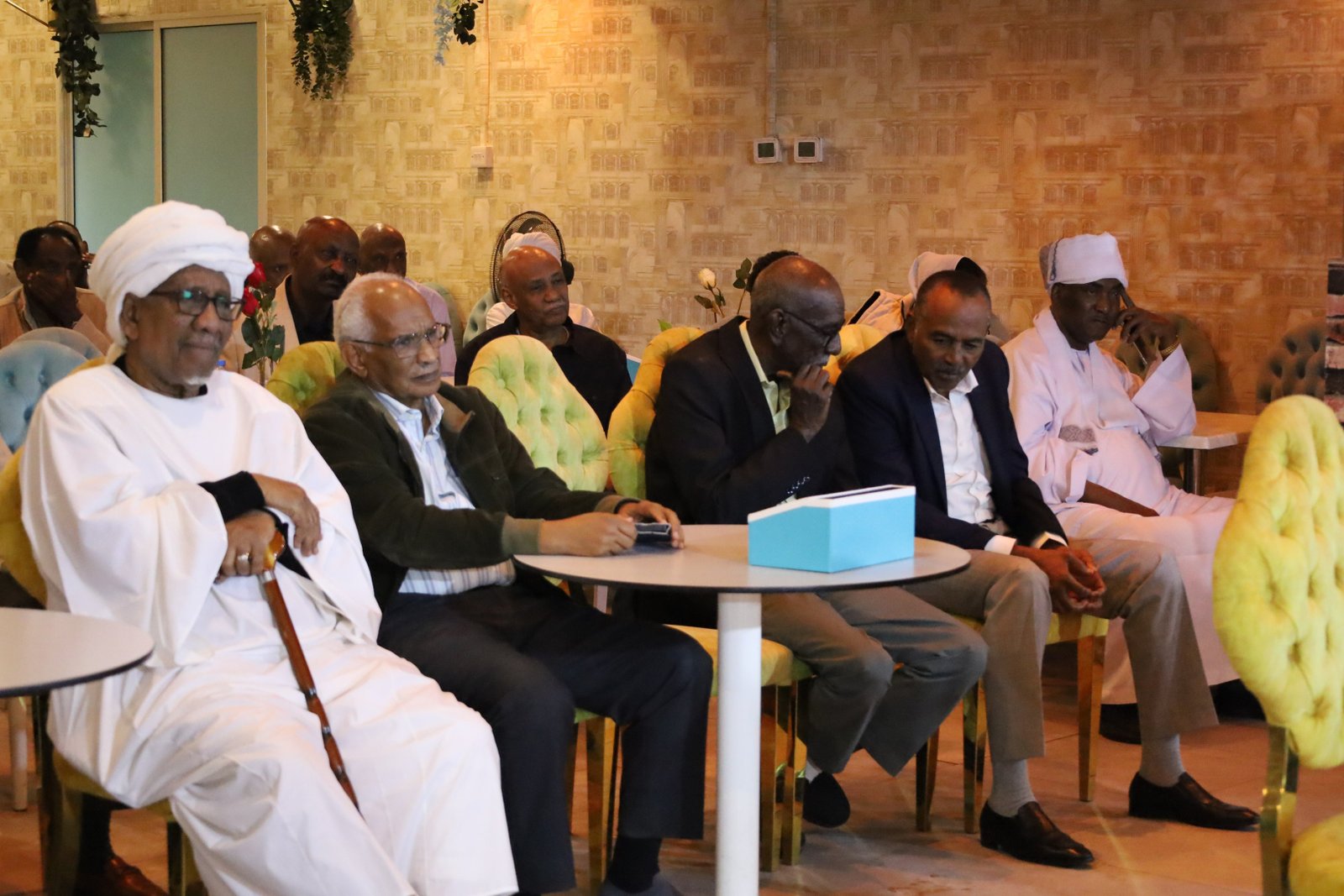
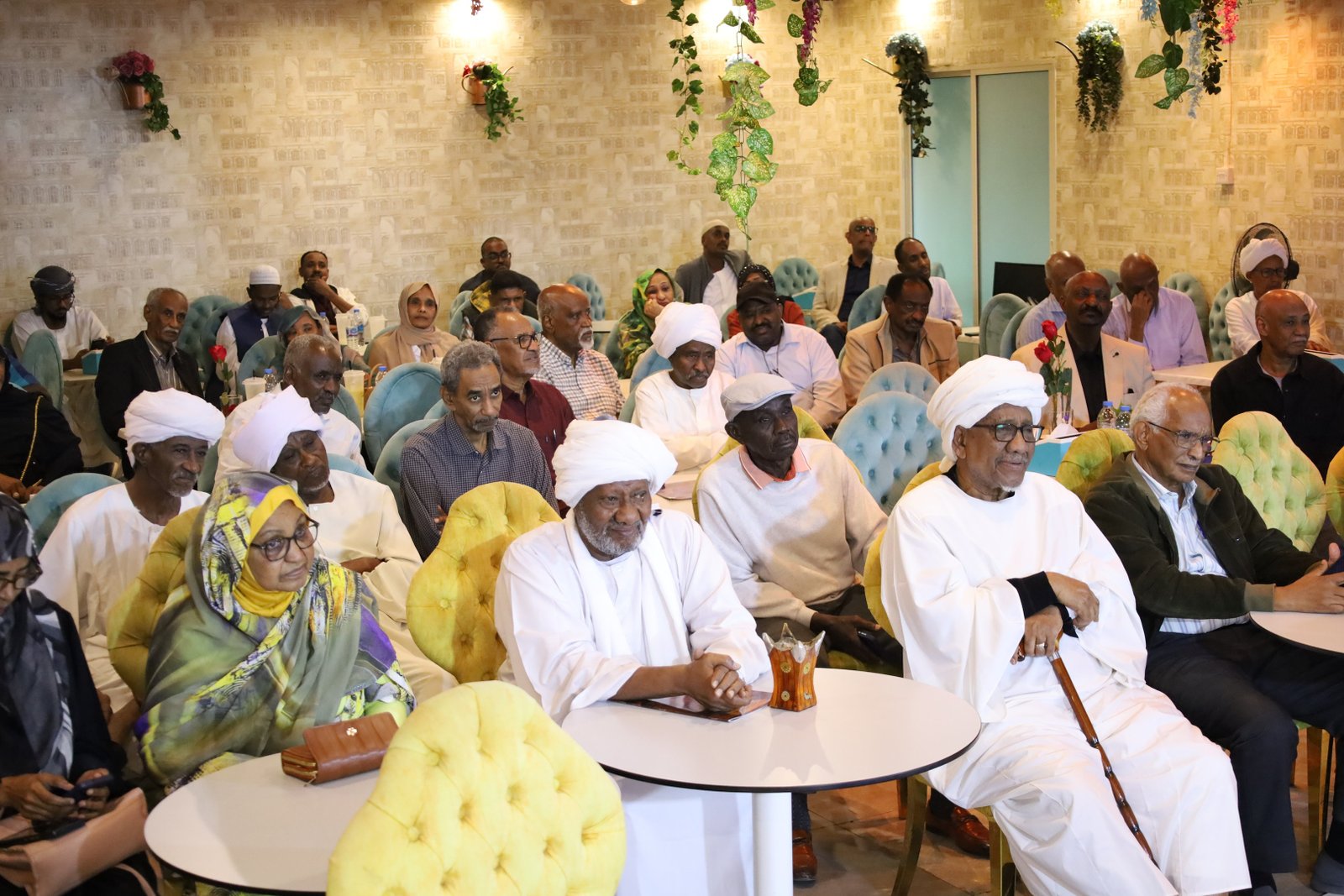
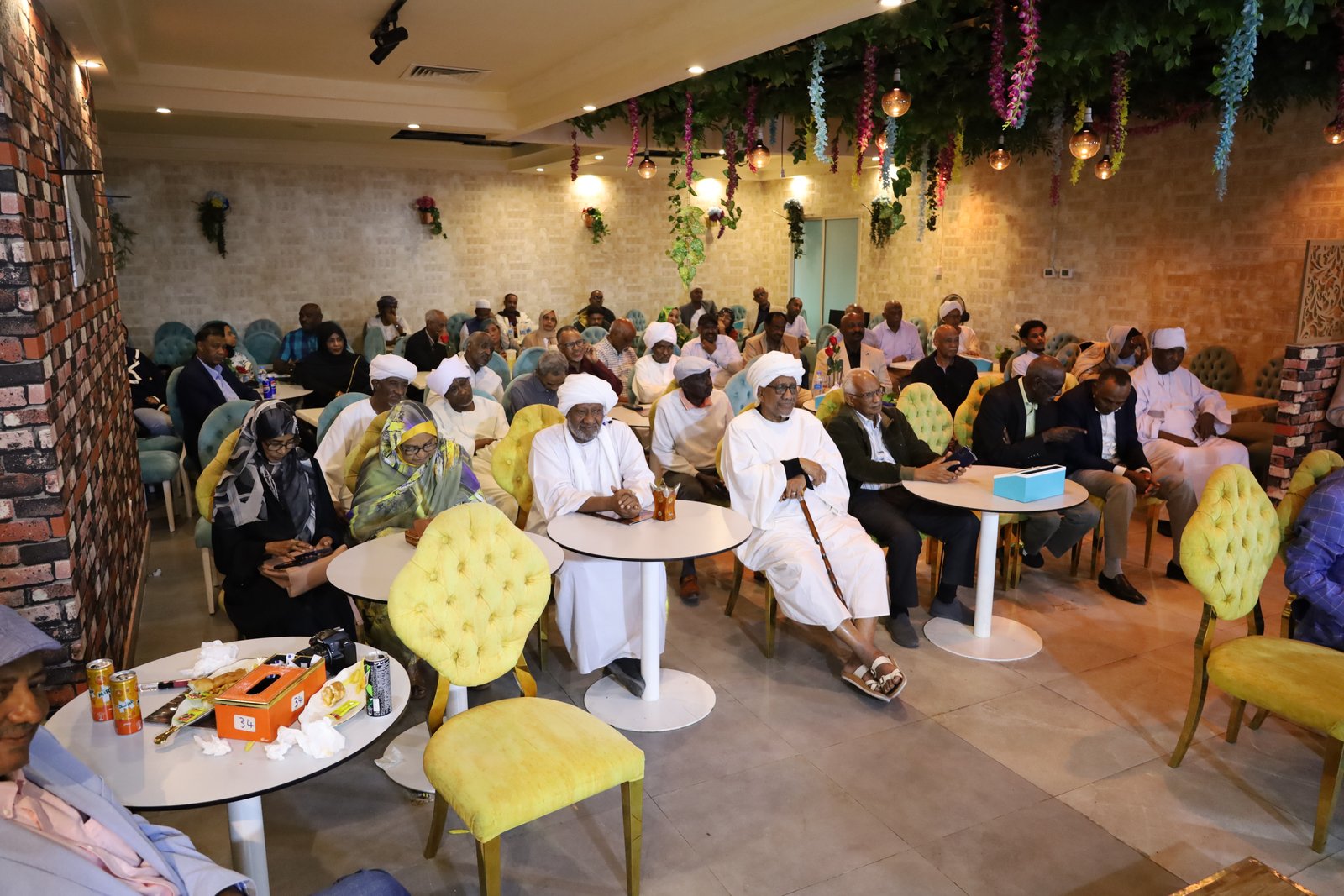
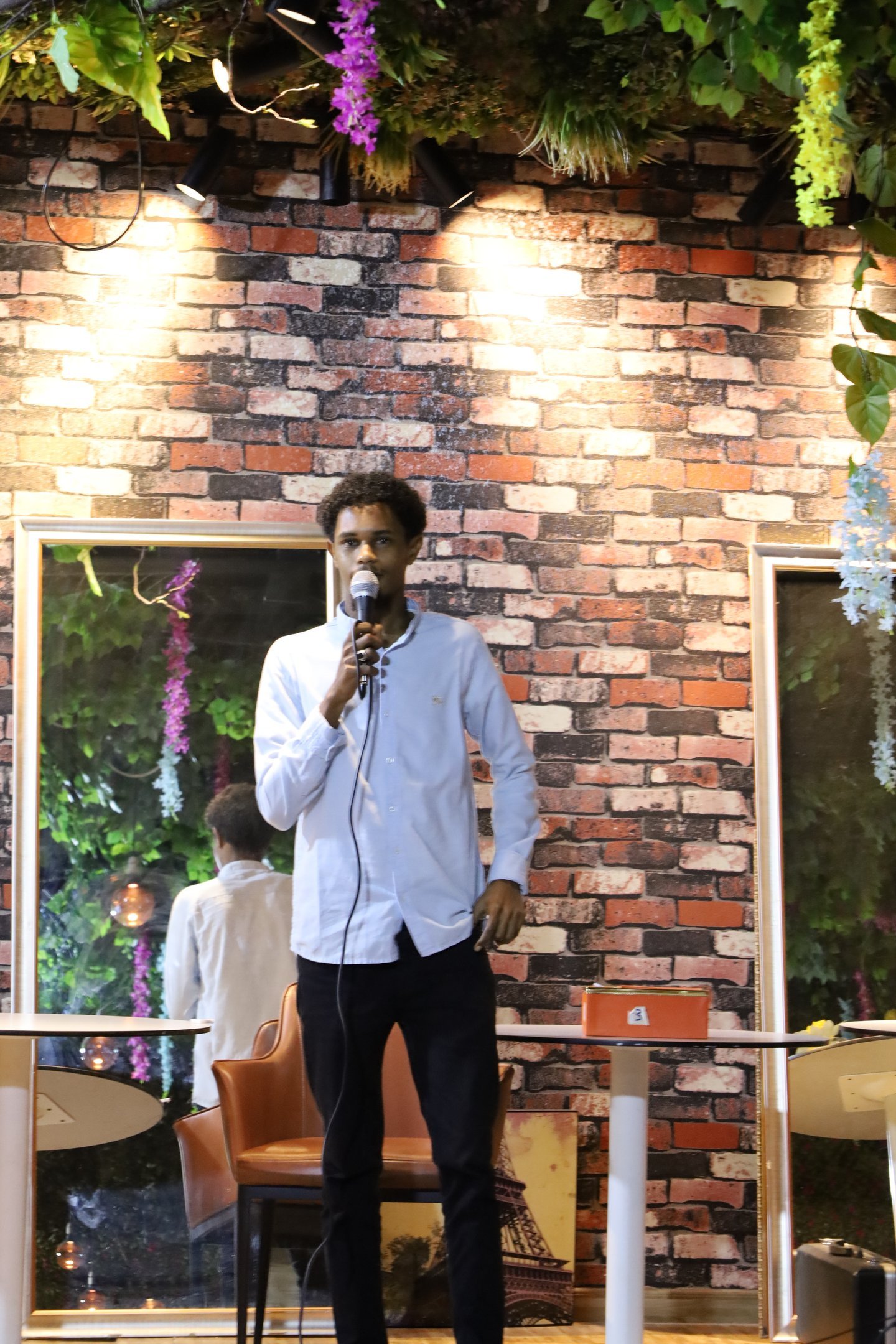
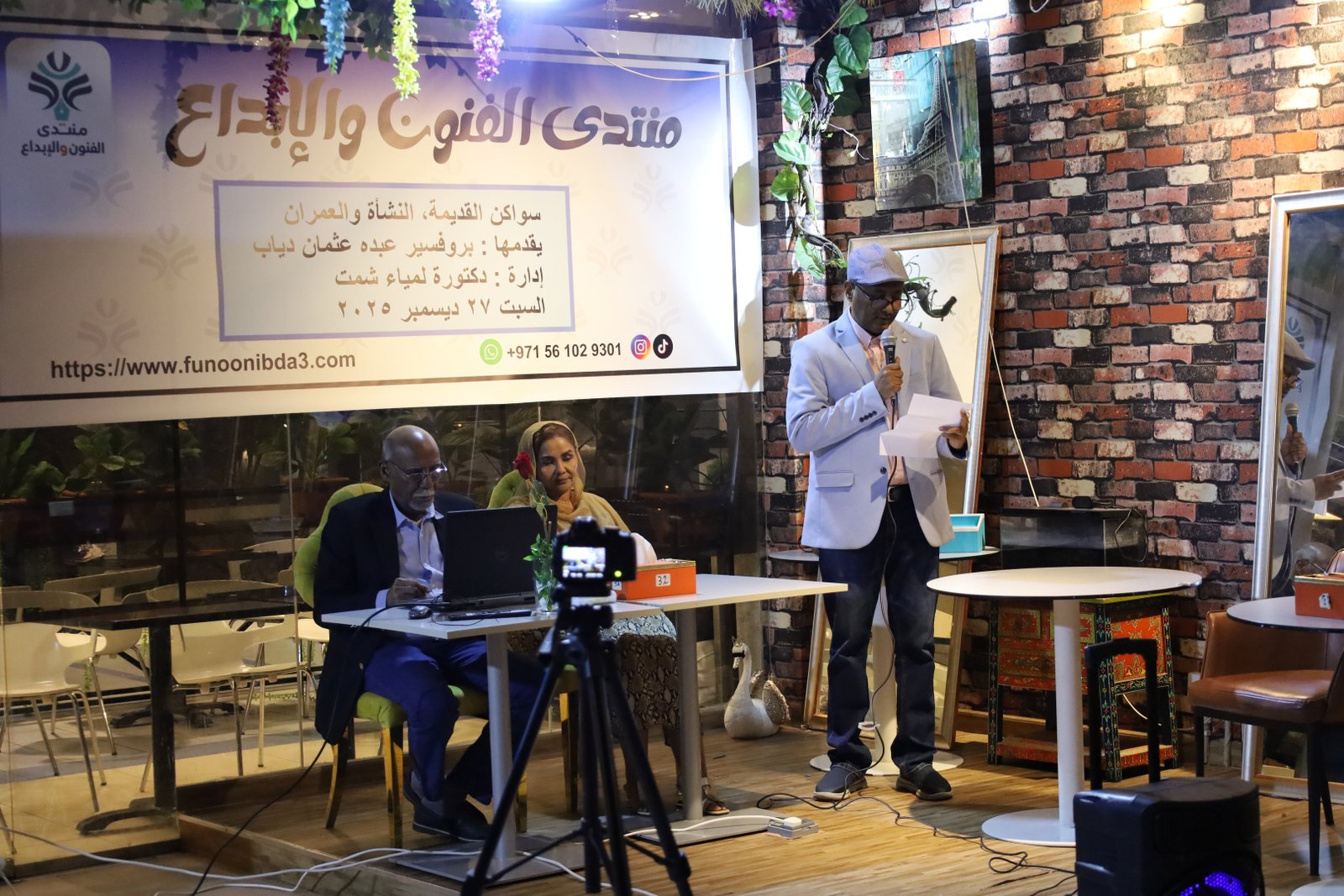
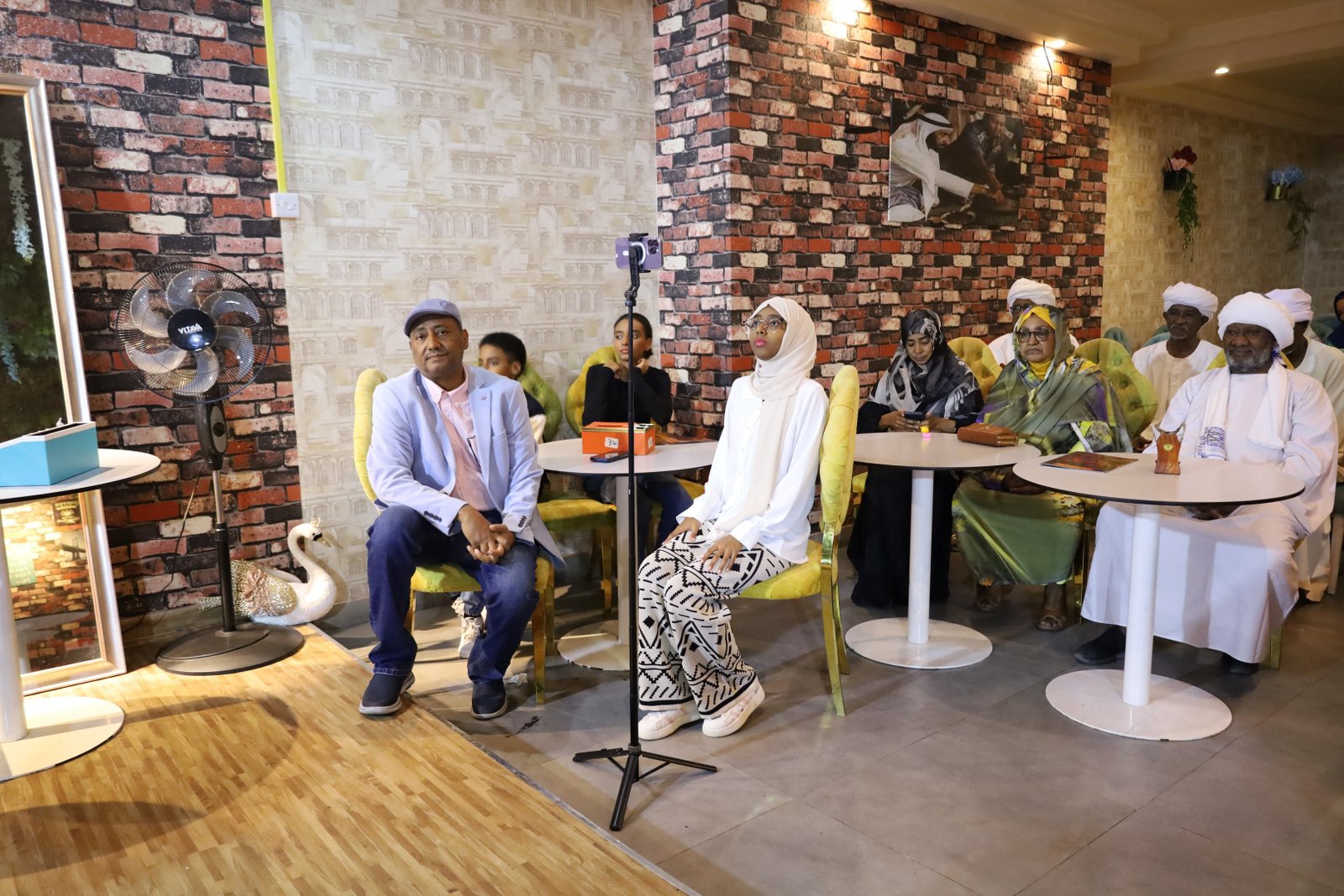
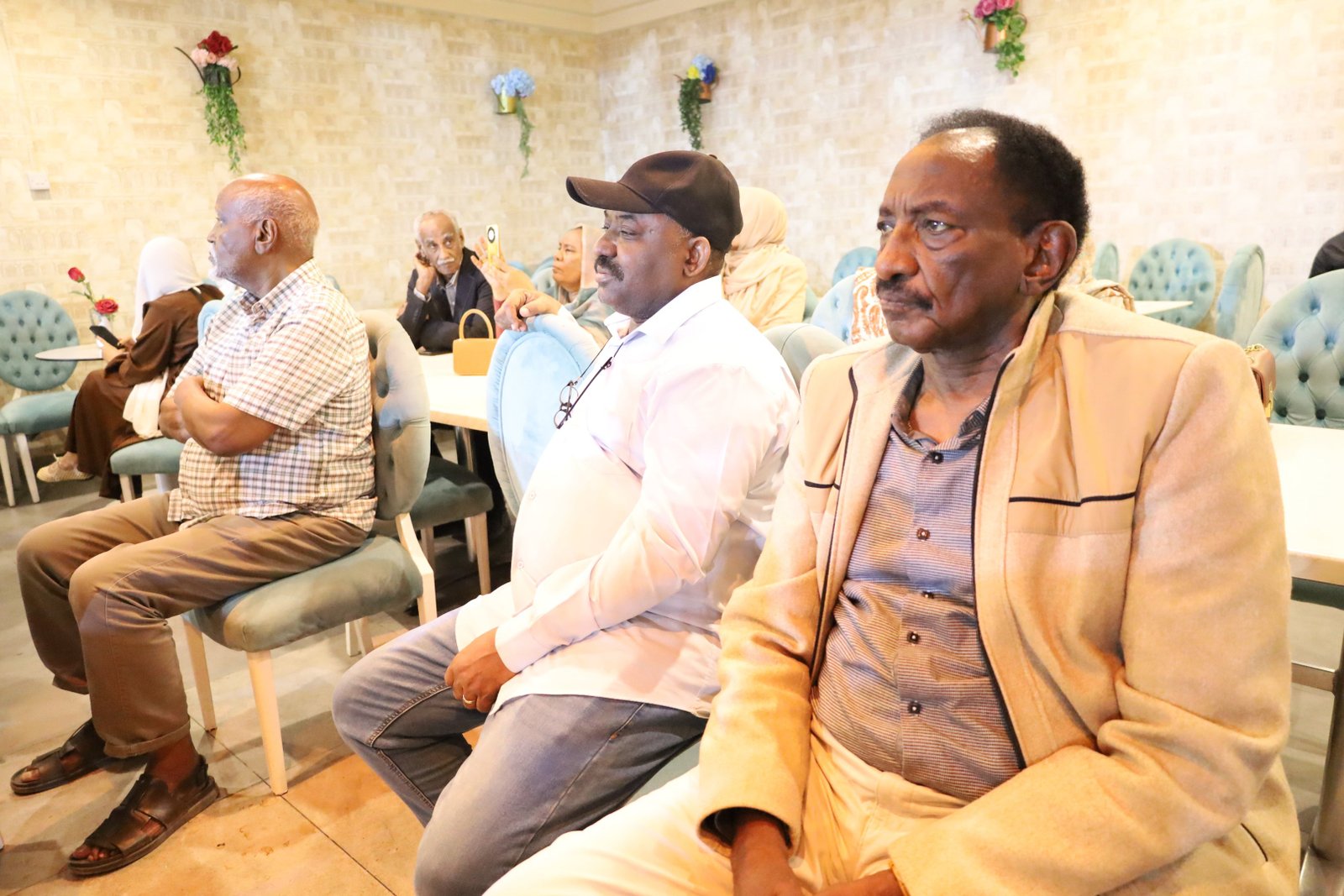
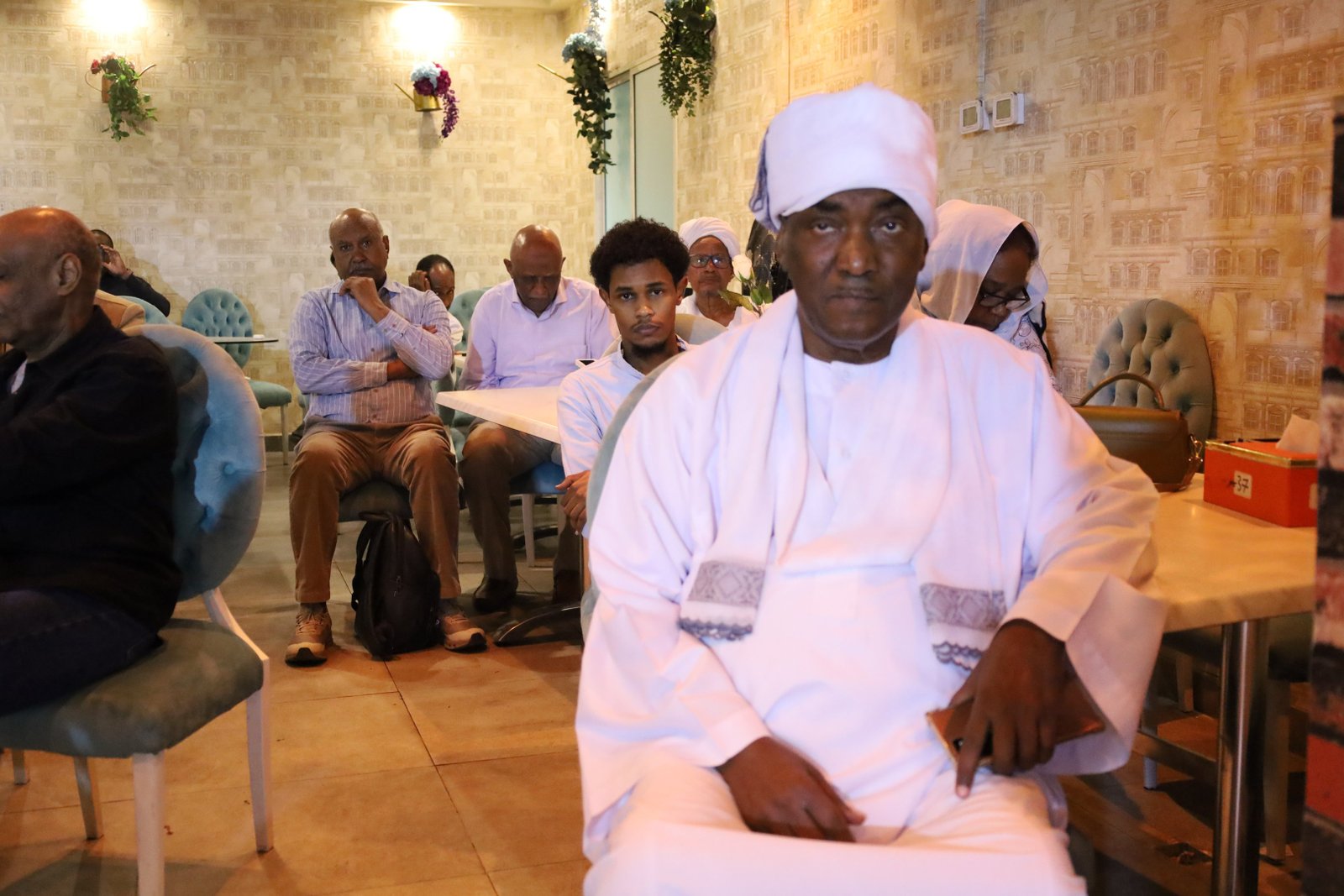
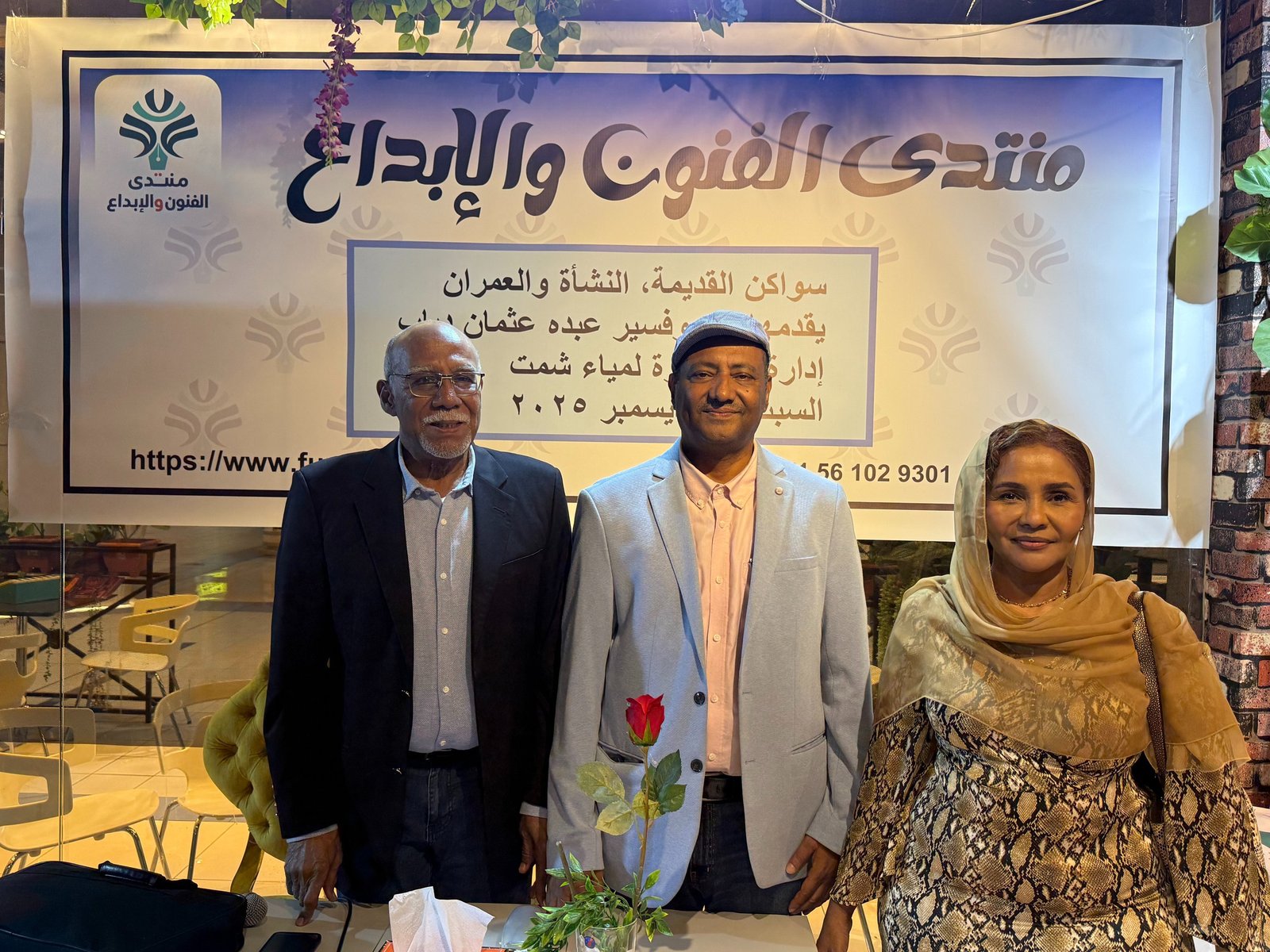
تم بحمد الله تقديم الندوة الثانية لمنتدى الفنون والإبداع قدمها الدكتور محمد عبدالرحمن حسن بعنوان: الدارجة السودانية وعلاقتها باللغة العربية واللغات الافريقية. أقيمت الفعالية يوم السبت 17 يناير 2026 بقاعة مطعم برندة بالغراند مول عجمان، وسط حضور نوعي من المهتمين باللغات. أدارت الندوة الدكتورة لمياء شمت. شهدت الندوة تفاعلا جميلا من المحاضرين عبر مداخلات أسهمت في تعميق الحوار حول الموضوع. شارك في توثيق الفعالية كل من (د. طارق عربي، مهندس عبدالله أسامة و ريتال عزمي)

تقرير الفعالية:

المقصود بالدارجة السودانيّة هنا اللهجة العربيَّة العاميَّة السائدة في وسط السودان، وتحديداً حول الخرطوم الكبرى. وتوجد بالسودات عدّة عاميَّات عربيّة، إلّا أنّ عامِّية الوسط توسَّع نطاق استخدامها لارتباطها بالمركز السياسي والإداري للدولة. ومن العوامل التي ساعدت على نشرها: الإعلام الرسمي، وتمركُز التعليم العالي في الوسط لفترة طويلة، وارتباط اقتصاد الأقاليم بالعاصمة. وتُعتبَر مدارس وأسواق الأقاليم من الأماكن التي توجد فيها عاميَّة وسط السودان.

بما أنَّ هذه العاميّة لهجة عربيّة، فالشيء الطبيعي أن تكون لديها ارتباطات مع اللهجات العربيّة القديمة التي جاءت من الجزيرة العربيّة. وبما أنّ كلمات اللهجات العربيّة التي شكَّلت قاموس عاميّة وسط السودان قد دُرِست باستفاضة، خاصّةً من جانب المرحوم عون الشريف قاسم، فإنّ هذه المحاضرة تركِّز على جانبي التراكيب والأصوت لأنهما يوضحان علاقتها باللغات الإفريقية التي تحيط بهذه اللهجة. ومن مميزات عربية السودان أنها توجد في الوسط القطر، بعيداً عن البلاد العربية المجاورة، ففي الشمال توجد اللغات النوبيّة التي تفصل عربيّة السودان عن لهجات صعيد مصر، وفي الشرق توجد لغات البجا التي تفصل عربيّة السودان عن شبه الجزيرة العربية. ولهذا السبب تاثرت عاميّة وسط السودان كثيراً بأصوات اللغات النوبية، ومن الأصوات غير العربيّة في عاميّة وسط السودان: تش (Ch)، و ني (ny)، ونق (ng). وتوجد فيها صيغتان من صوت اللام، واحدة مخفّفة وأخرى مفخّمة، وكذلك صوت الراء ويؤدِّي فيها النبر دوراً وظيفياً، بمعنى أنه يغيِّر معنى الكلمة، وهي ظاهرة غير موجودة في أي لهجة عربية أخرى. وأيضاً يؤدِّي النبر دوراَ نحوياً في التراكيب. وهذه خصائص مأخوذة من اللغات السودانيّة الإفريقيّة التي تحيط بالعربيّة؛ خاصة اللغات النوبيّة والبجاويّة والفوراويّة.

عن المقدم:

سـيـرة ذاتـيّـة مختصرة الاسم: محمّد عبد الرحمن حسن. المؤهِّلات العلميّة 1- دكتوراه اللسانيات (جامعة إفريقيا العالمية: 2012). 2- ماجستير اللسانيات (مركز البحوث الإفريقية، جامعة إفريقيا العالميّة: 2006). 3- بكالريوس اللسانيات وعلم النفس (كلية الآداب، جامعة الخرطوم: 1997). 4- بكالريوس التصميم الإيضاحي (كلية الفنون الجميلة والتطبيقية، جامعة السودان للعلوم والتكنولوجيا: 1985). المسار المهني (الوظائف) 1- محاضِر بجامعة إفريقيا العالميّة (2006-2012). 2- أستاذ مساعد مادة اللسانيات - جامعة إفريقيا العالمية (2012-2015). 3- استاذ مشارك (النقد الفني والعلوم الإنسانية) بكلية الفنون الجميلة والتصميم - جامعة النيلين. مجالات الاهتمام البحثي الأساسي: النقد الفني، الدراسات الثقافية، ونقد الخطاب التاريخي. كتب منشورة 1- نقد فكر الجنوب العالمي: مقدّمة للانتقال من نقد الحداثة إلى نقدالحضارة. 2- ذاتيّات: فضُّ نظرة الفلسفة الأوروبيّة للإنسان والمجتمع. 3- فتوحات: فضّ وهم التفوّق الأوروبّي. 4- ثورات: فضّ الخطاب التاريخيّ الأوروبيّ. 5- اكتشافات: فضُّ خطاب النهضة واكتشاف العالم . 6- الفنون التشكيليّة وتحديث المجتمعات العربيّة. 7- فضاءات التعدُّد والاختلاف في النقد التشكيلي العربي

Title: Sudanese Colloquial Arabic and Its Relationship with the Arabic Language and African Languages

Introduction:

The second seminar of the Arts and Creativity Forum, presented by Dr. Mohammed Abdulrahman Hassan, was successfully held on Saturday, January 17, 2026, at the Branda Restaurant in the Grand Mall, Ajman. The event was attended by a select group of language enthusiasts. Dr. Lamia Shamat moderated the seminar, which featured lively discussions and insightful contributions from the speakers that enriched the dialogue on the topic. The event was documented by Dr. Tariq Arabi, Eng. Abdullah Osama, and Rital Azmi.

Event Report:

translated by dr. Lemmia Shamat

What is meant here by Sudanese Arabic dialect (Darja) is the colloquial Arabic dialect prevalent in central Sudan, specifically around Greater Khartoum. Sudan has several Arabic dialects, but the central dialect has expanded its usage due to its connection with the political and administrative center of the country. Factors that helped spread it include official media, the concentration of higher education in the center for a long time, and the economic ties of the regions to the capital. Regional schools and markets are among the places where the central Sudanese dialect is spoken.

Since this dialect is a form of Arabic, it naturally has links to the ancient Arabic dialects that originated from the Arabian Peninsula. Given that the vocabulary of the Arabic dialects that formed the lexicon of central Sudanese colloquial Arabic has been extensively studied, especially by the late Awn al-Sharif Qasim, this lecture focuses on the aspects of syntax and phonetics because they clarify its relationship with the African languages surrounding this dialect.

One of the features of Sudanese Arabic is that it exists in the middle of the country, away from neighboring Arab countries. To the north are the Nubian languages, which separate Sudanese Arabic from the Upper Egyptian dialects, and to the east are the Beja languages, which separate Sudanese Arabic from the Arabian Peninsula. For this reason, the central Sudanese dialect has been greatly influenced by the sounds of the Nubian languages. Among the non-Arabic sounds in central Sudanese colloquial Arabic are: "ch" (تش), "ny" (ني), and "ng (نق)

It also has two forms of the "lam" sound: one light and one emphatic, as well as the "ra" sound. Stress plays a functional role in this dialect, meaning it changes the meaning of words—a phenomenon not found in any other Arabic dialect. Stress also has a grammatical function in sentence structures. These characteristics are borrowed from the Sudanese African languages surrounding Arabic, especially the Nubian, Beja, and Fur languages.

About Author:

Brief Curriculum Vitae Name: Mohamed Abdelrahman Hassan Academic Qualifications 1. PhD in Linguistics (International University of Africa: 2012) 2. MA in Linguistics (Center for African Research, International University of Africa: 2006) 3. BA in Linguistics and Psychology (Faculty of Arts, University of Khartoum: 1997) 4. BA in Illustration (Faculty of Fine and Applied Arts, Sudan University of Science and Technology: 1985) Professional Experience 1. Lecturer at the International University of Africa (2006-2012) 2. Assistant Professor of Linguistics at the International University of Africa (2012-2015) 3. Associate Professor (Art Criticism and Humanities) at the Faculty of Fine Arts and Design, Nilein University Main Research Interests: Art Criticism, Cultural Studies, and Historical Discourse Criticism Published Books 1. A Critique of Global Southern Thought: An Introduction to the Transition from a Critique of Modernity to a Critique of Civilization 2. Subjectivity: Deconstructing the European Philosophical View of Man and Society 3. Conquests: Deconstructing the Illusion of European Superiority 4. Revolutions: Deconstructing the European Historical Discourse 5. Discoveries: Deconstructing the Discourse of the Renaissance and the Discovery of the World 6. Visual Arts and the Modernization of Arab Societies 7. Spaces of Pluralism and Difference in Arab Visual Arts Criticism

تواصل معنا